Is Egypt Safe to Visit Now? 6 Safety Insights for Travelers
Let’s Talk Real Talk About Egypt’s Safety
So you’re thinking about Egypt, huh? I get it – those Instagram shots of the pyramids are calling your name, but then you see some scary news headline and suddenly you’re second-guessing everything. The big question everyone’s asking is “Is Egypt safe to visit?” Trust me, I’ve been there (literally and figuratively) and I’m here to give you the real scoop.
Here’s the deal: Is Egypt safe to visit in 2025? Yeah, it really is – especially if you stick to the touristy spots and don’t do anything too crazy. Look, I’m not gonna sugarcoat it and say it’s like visiting Disney World, but it’s also not some post-apocalyptic wasteland that some people make it out to be.
Egypt’s got this raw, unfiltered energy that’s honestly pretty addictive once you get used to it. Sure, it can feel a bit overwhelming at first, but that’s part of what makes it so incredible. This guide’s gonna break down everything you need to know – the current safety situation, which places are totally fine vs. the ones you should definitely skip, and how to handle the stuff that might stress you out (like aggressive taxi drivers and pushy vendors).
Whether you’re planning to go solo, dragging the family along, or somewhere in between, I’ve got your back with real advice from someone who’s actually navigated this amazing chaos.
What’s Actually Going On Safety-Wise in Egypt Right Now
The Official Word (And What It Really Means)
Okay, so here’s where things get a bit confusing. If you look up travel advisories, you’ll see some pretty intense warnings. The U.S. says “Reconsider Travel” (Level 3), and Canada’s all “Exercise high caution.” Sounds scary, right?
But here’s the thing everyone forgets to mention – these warnings are mostly about super remote border areas that you probably weren’t planning to visit anyway. We’re talking about places near Libya and some sketchy parts of the Sinai Peninsula, not Cairo or Luxor where you’ll actually be hanging out.
It’s kinda like if someone said “Don’t go to the U.S.” because of gang violence in certain neighborhoods, when you’re really just planning to see the Statue of Liberty and grab some pizza. Context matters, people!
Egypt’s Got Your Back (Tourism is Their Thing)
Here’s something that’ll make you feel better – tourism is HUGE for Egypt’s economy. Like, we’re talking about their bread and butter here. So you better believe they’re doing everything they can to keep tourists safe and happy.
They’ve got these Tourist Police (dial 126 if you need them) who are actually trained to help foreigners and speak English. Plus, you’ll see security pretty much everywhere at the major sites. Yeah, the metal detectors and bag checks can be a bit of a pain, but honestly? It made me feel way safer.
The Numbers Don’t Lie
Get this – Egypt had over 15 million visitors in 2024! That’s not exactly what you’d call a ghost town. And in early 2025, they’re seeing even more people showing up. If it was really that dangerous, would millions of people keep going back year after year? I don’t think so.
Most travelers I’ve talked to (including myself) felt pretty secure, especially when we had good guides and stayed in decent places. The horror stories you hear? They’re usually from people who didn’t do their homework or ignored basic common sense. So when people ask “Is Egypt safe to visit?” – the honest answer is yes, with the right preparation.
Where to Go and Where to Absolutely Not Go
The Good Stuff (AKA Where You’ll Actually Want to Be)
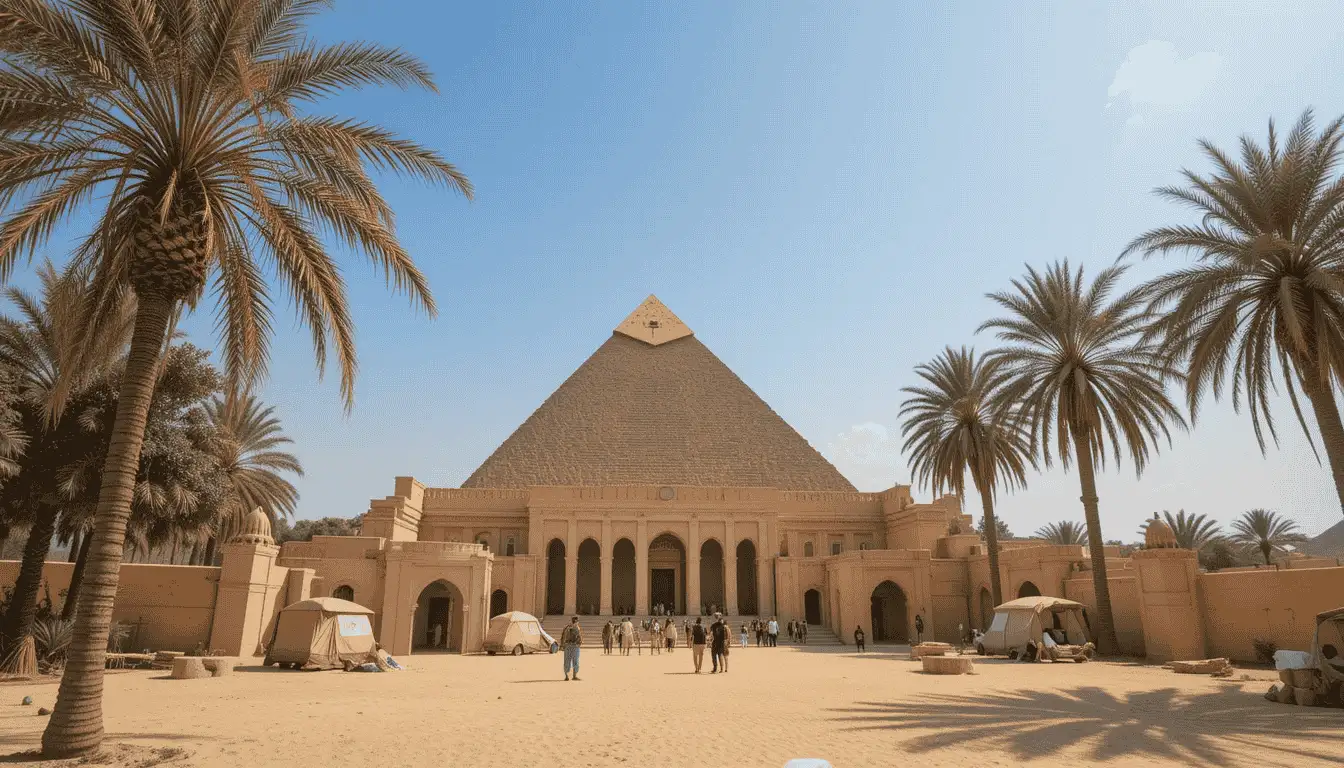
Cairo & Giza: This is where the magic happens, folks. The pyramids, the Sphinx, that incredible Egyptian Museum – it’s all here. Yeah, Cairo’s absolutely bonkers with the traffic and noise, but violent crime against tourists? Super rare. I felt way less sketched out here than I did in some parts of Paris, honestly.
Luxor & Aswan: If you’re into ancient history (and let’s be real, that’s probably why you’re going to Egypt), these places are pure gold. The Valley of the Kings, Karnak Temple – it’s like stepping into a time machine. Plus, there are cops and security guards everywhere at these sites. I literally couldn’t sneeze without someone in uniform seeing me.
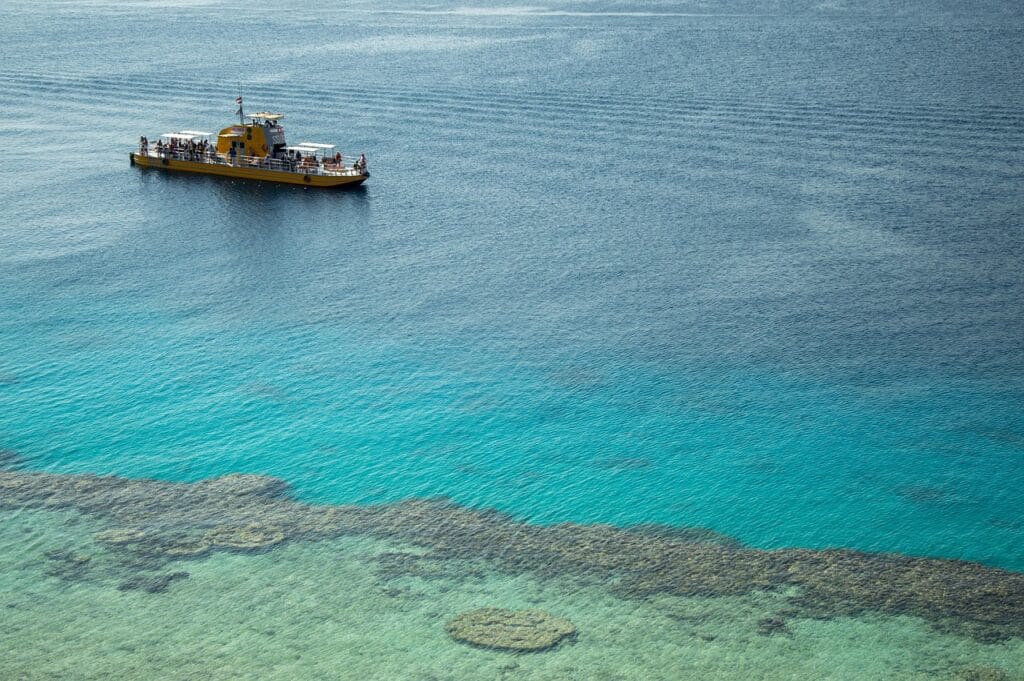
Red Sea Resorts (Hurghada & Sharm El Sheikh): Beach lovers, this is your jam. These resort areas are super locked down and isolated from any political drama. It’s basically like being in a really safe bubble with amazing diving and gorgeous beaches. Even governments that warn about other parts of Egypt usually give Sharm El Sheikh a pass.
Nile Cruises: Honestly, this might be the safest way to see Egypt. You’re literally floating between destinations with onboard security, and the cruise companies are obsessed with keeping their foreign guests happy and safe.
The Nope Zones (Seriously, Just Don’t)
Northern and Middle Sinai: This isn’t me being dramatic – this area is legitimately dangerous right now. There’s active military stuff going on, and it’s just not worth the risk. Save your adventure spirit for somewhere else.
Western Desert Near Libya: Unless you’re with some super official tour group with all the right permits, stay away. There’s smuggling, military operations, and general sketchy stuff happening.
Any Protests or Big Crowds: I don’t care how peaceful it looks – foreign tourists getting mixed up in political demonstrations is never a good look. Just walk the other way.
The Stuff That Might Actually Worry You (And How to Deal)
Terrorism – Let’s Address the Elephant in the Room
Look, I’m not gonna pretend there’s zero risk. But here’s the thing – they’ve really ramped up security at tourist spots, and major incidents are pretty rare these days. The places you’ll be visiting are crawling with security, and honestly, you’re probably safer at the pyramids than you are at a lot of major tourist attractions around the world.
Just stay aware of what’s going on around you, don’t wander off alone to weird places, and check the news before you go.
Scams and General Annoyances
This is probably what you’ll actually deal with, not anything genuinely dangerous. Here are the classics:
The “I’m Not a Guide” Guy: Some dude will start chatting you up, show you around “for free,” then suddenly want payment. Just say “la shukran” (no thanks) and keep walking.
Taxi Drama: Uber drivers asking for cash when you already paid through the app, or taking the scenic route to jack up the fare. Stick to official ride-sharing apps and don’t be afraid to cancel if something feels off.
The Gift That’s Not a Gift: Someone puts a bracelet on your wrist or hands you something, then demands money. Don’t take anything from strangers, even if they seem friendly.
The Overcharge Olympics: Everything costs twice as much when you’re obviously foreign. It’s annoying but not dangerous – just negotiate or walk away.
Health Stuff (AKA Don’t Ignore the Basics)
The Heat is No Joke: Egypt in summer is like standing inside an oven. I’m talking 45°C+ (that’s over 110°F for my American friends). Luxor and Aswan are especially brutal. Drink water constantly, stay inside during the hottest part of the day, and don’t be a hero about it.
Pharaoh’s Revenge (The Stomach Thing): Yeah, you’ll probably get some stomach issues. It’s almost a rite of passage. Stick to bottled water for everything (even brushing teeth), be smart about street food, and pack some Pepto.
The Air in Cairo: It’s not great, especially if you have asthma or breathing issues. Just something to keep in mind.
Getting Around Without Dying
Egypt’s traffic is… an experience. I’ve never seen anything like it. Don’t even think about driving yourself unless you have a death wish. Use Uber or Careem, take trains between cities, and be super careful crossing streets because drivers definitely don’t care about pedestrians.
Different Types of Travelers – Special Considerations
Solo Female Travelers (You Can Do This!)
I know so many women who’ve done Egypt solo and had amazing trips. But yeah, there are some extra things to think about. The staring and catcalling is real – it’s not necessarily dangerous, but it can be exhausting and annoying.
Dress modestly (cover your shoulders and knees), book everything in advance so you’re not wandering around looking lost, and consider getting a guide. Having a local guy with you cuts down on the harassment big time. Also, headscarf optional, but it does help reduce unwanted attention.
If someone’s bothering you, just ignore them or give a firm “la” (no). Most of the time they’ll back off. And always sit in the back of taxis – it’s just safer.
Families with Kids
Egypt is actually pretty family-friendly! Locals absolutely love kids and will probably try to give them treats or toys constantly. Just keep an eye on them in crowded places, and maybe bring a baby carrier instead of a stroller for the archaeological sites (trust me on this one – ancient steps and strollers don’t mix).
Also, be extra careful about the food and water with little ones, and don’t let them run around unsupervised, even at nice hotels.
LGBTQ+ Travelers
I’m gonna be straight with you here – Egypt isn’t the most welcoming place for openly LGBTQ+ travelers. It’s not that same-sex relationships are technically illegal, but the culture is pretty conservative, and there can be legal gray areas that aren’t worth testing.
Keep public displays of affection to a minimum, be careful what you post on social media while you’re there, and just use your judgment about being open about your relationship.
Americans (You’re Fine, Don’t Worry)
Millions of Americans visit Egypt every year without problems. The tourist areas are used to dealing with American tourists, lots of people speak English, and you’ll find familiar hotel chains if that makes you feel better.
Just stick to the main tourist areas, use reputable tour companies, and maybe don’t get into political debates with locals. Oh, and always carry your passport or a copy – you’ll need ID pretty regularly.
How to Not Be That Tourist (Essential Tips)
Cultural Stuff That Actually Matters
Dress Code: This isn’t just for women – everyone should dress modestly, especially at religious sites. It shows respect and honestly makes your life easier because you’ll get less hassle.
Tipping (Baksheesh): Everything involves tipping in Egypt. Bathroom attendants, the guy who carries your bag, tour guides – everyone. Keep small bills on you and don’t stress about it too much. It’s just how things work there.
Photo Etiquette: Don’t photograph military anything (seriously, they’ll confiscate your camera), and always ask before taking pictures of people. Also, leave the drone at home – they’re banned and will cause you major headaches.
Religious Respect: Take your shoes off in mosques, don’t visit during prayer times if you can help it, and just be respectful. If it’s Ramadan, don’t eat or drink in public during the day.
Practical Stuff That’ll Save Your Trip
Get a Guide: I cannot stress this enough. A good local guide will keep you safe, help you avoid scams, negotiate prices for you, and make the whole experience so much better. It’s worth every penny.
Travel Insurance: Get it. Get the good stuff that includes medical evacuation. Egypt’s medical facilities outside major cities can be… limited.
Stay Connected: Get a local SIM card or make sure your international roaming works. You’ll want GPS and the ability to call for help if needed.
Emergency Numbers: Police (122), Ambulance (123), Tourist Police (126). Put these in your phone now.
Is Egypt Worth All This Prep? Hell Yes!
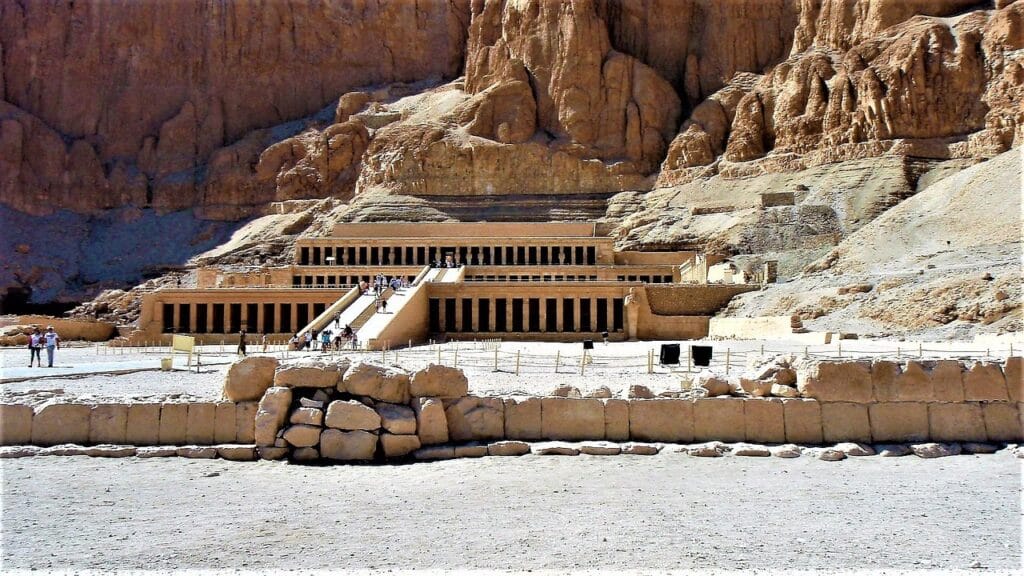
Look, I could spend hours telling you about the incredible stuff you’ll see in Egypt. Seven UNESCO World Heritage sites, including those mind-blowing pyramids that are literally the last surviving Wonder of the Ancient World. The Valley of the Kings where you can walk into actual pharaohs’ tombs. The temples at Karnak that’ll make you feel like an ant.
And it’s not just the ancient stuff – Cairo’s got this amazing energy, the markets are incredible (even if they’re exhausting), and the people are genuinely warm and welcoming once you get past the initial tourist hustle.
The Red Sea diving is world-class, a Nile cruise is pure magic, and don’t even get me started on floating over Luxor in a hot air balloon at sunrise. Plus, your money goes really far there – you can eat amazing food and stay in nice places without breaking the bank.
The Grand Egyptian Museum is opening in 2025, which is basically going to be the most incredible collection of ancient Egyptian artifacts ever assembled in one place. This is history we’re talking about – stuff that shaped human civilization.
Bottom Line: Is Egypt Safe to Visit? Go, But Go Smart
So is Egypt safe to visit in 2025? Yeah, absolutely – if you use your brain, respect the culture, and don’t do anything stupid. Will there be challenges? Sure. Might you get hassled by vendors or deal with some culture shock? Probably. But will you also have one of the most incredible travel experiences of your life? I guarantee it.
Egypt isn’t for everyone – if you need everything to be perfectly organized and predictable, maybe stick to Europe. But if you’re up for an adventure and want to see some of the most amazing stuff humans have ever built, then pack your bags and go.
Just do your homework, stay in the main tourist areas, hire good guides, and keep your wits about you. Millions of people do this every year and come back with stories they’ll tell for the rest of their lives.
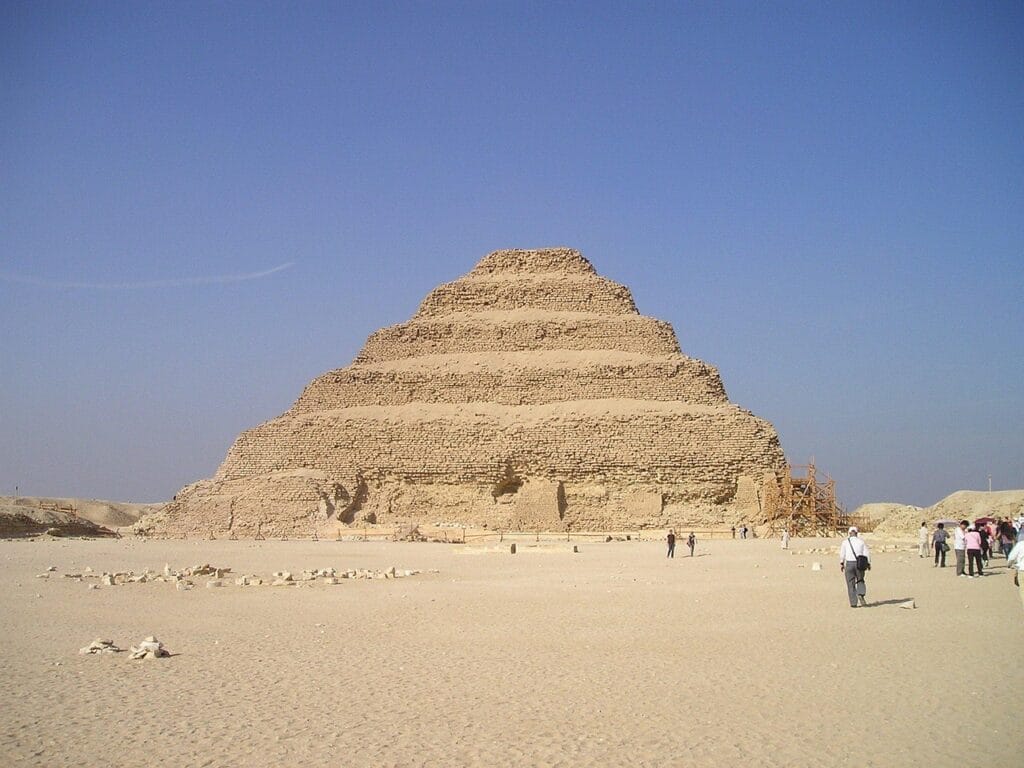
The pyramids have been waiting for 4,500 years – they’ll wait a little longer while you plan properly. But trust me, they’re worth it.
Quick Answers to Stuff You’re Probably Wondering
What scams should I watch out for? The fake guide thing, taxi drivers being sketchy with the app payments, people putting stuff in your hands then demanding money, and just general overcharging because you’re foreign. Nothing too creative, just be aware and don’t be afraid to say no.
Where should I definitely not go? North Sinai, anywhere near the Libya border, and any place with protests or big crowds. Stick to the main tourist stuff and you’ll be fine.
Is Sharm el-Sheikh actually safe? Yeah, it’s one of the safest places in Egypt. Tons of security, mostly isolated from any political drama, and governments usually don’t include it in their scary warnings about the Sinai Peninsula.
What should I wear as a woman? Cover your shoulders and knees, especially at religious sites and in more traditional areas. You don’t need a headscarf as a tourist, but it can help cut down on unwanted attention if you’re getting hassled.
Is the street food safe? It can be amazing, but be smart about it. Go for places that are busy (high turnover), make sure stuff is cooked fresh and served hot, and maybe ease into it rather than going crazy on day one.
How does Egypt keep tourists safe? They’ve got special Tourist Police who actually speak English and are trained to help foreigners, security checks at all the major sites, and tons of regular police patrols in tourist areas. They really don’t want anything bad happening to visitors.
Is Egypt safer than other places in the Middle East? The main tourist cities are definitely as safe as places like Jordan, Morocco, or Turkey, especially if you stick to the recommended areas and use common sense.